
Articles
Articles about visual perception and how to use the worksheets, written by a physical therapist in Japan.
-
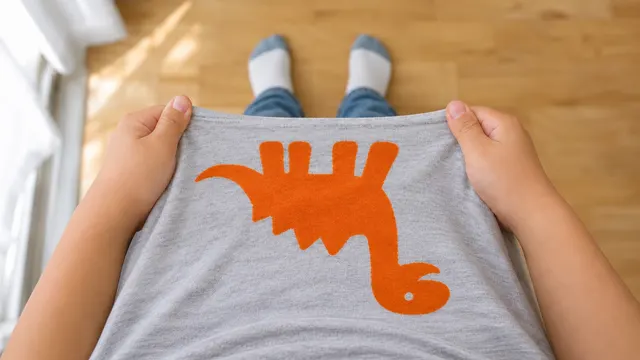
Why Does My Child Put Clothes On Backwards or Inside Out? Getting Dressed Uses More Visual Skills Than You Think
T-shirts on backwards, shoes on the wrong feet. Mix-ups when getting dressed are not just about "not looking carefully." A physical therapist breaks the task into three parts (finding the clues, matching the clothes to the body in the mind, and knowing the front and back of one's own body), and shares how to see where a child gets stuck and how to add clues they can notice on their own.
Read › -
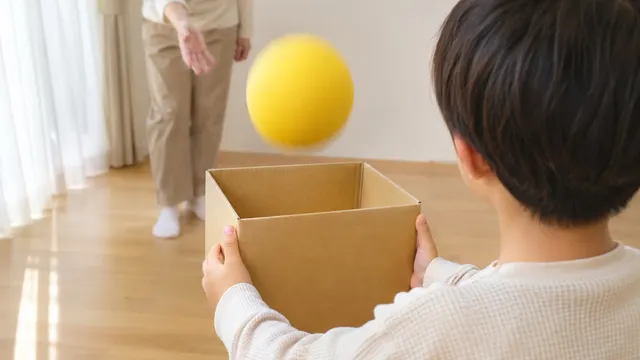
When a Child Has Trouble Catching a Ball: Breaking It Down from "Tracking" to "Reaching"
Hands that come out too late, or close only after the ball has hit the body. Trouble catching is not just a matter of being "unathletic." A physical therapist breaks catching into four parts (tracking the ball, judging distance, timing the hands, and keeping the body steady), and shares what different kinds of misses can tell you and a step-by-step way to practice using a box.
Read › -
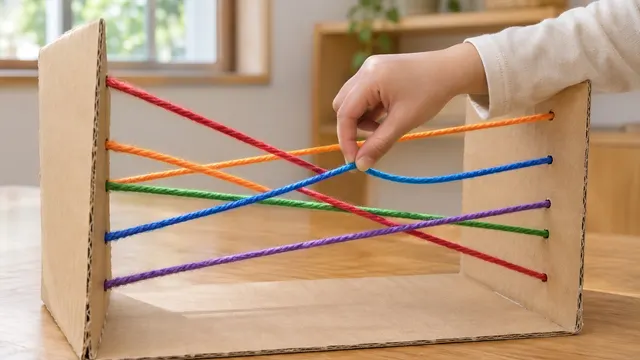
When a Child's Tracing Slips onto Another Shape: Understanding Figure-Ground Perception
Tracing a shape among overlapping lines, then ending up on a different shape partway through. This has to do with a natural property of the eyes. A physical therapist explains what figure-ground perception is, why tracing slips onto other lines, a string activity that shows how viewpoint and movement change what we see, and ideas to try at home, drawing on ideas used in pediatric therapy.
Read › -
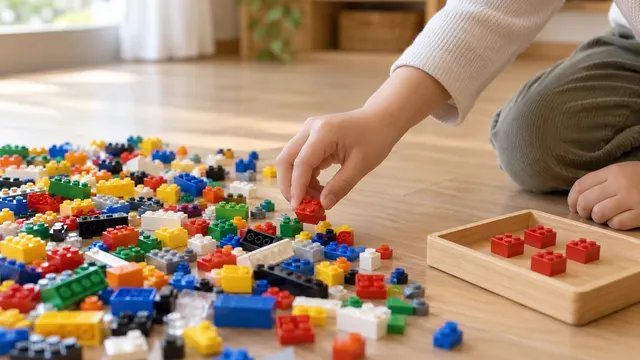
A Child Who Often Misses Things: Before Saying "Look Carefully," Look at How They Miss
Skipping a question on a worksheet, not finding something that is right in front of them. There are different kinds of misses. A physical therapist explains what the way a child misses things can tell you, how to work with distractions around them, and how to help a child find their own way to miss less, drawing on ideas used in pediatric therapy.
Read › -
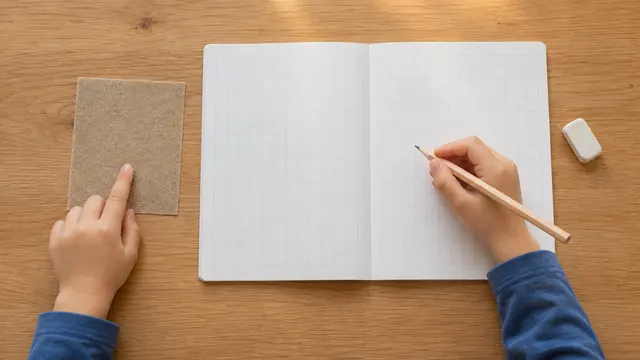
Can Read Letters but Can't Write Them? Four Ways to See Where Writing Gets Stuck
Your child can read every letter, but when it's time to write, nothing comes out. Reading and writing are different jobs for the brain. A physical therapist explains how comparing four ways of writing shows where a child is stuck, and ideas for learning letter shapes through touch and movement.
Read › -

When Handwriting Won't Stay on the Lines: It May Not Be Just Fine Motor Skills
Letters that are too big, float above the line, or drift uphill, no matter how many times you remind them. A physical therapist explains what different patterns can tell you, and ideas to try from the angles of vision, finger movement, and posture.
Read › -

Slow at Copying from the Board? It May Be the Eyes, Not the Writing
Taking a long time to copy from the board, or losing track of where they were. Copying is a round trip between the eyes and the brain. A physical therapist explains how to see where a child is getting stuck, activities to try at home, and supports you can ask the school about.
Read › -
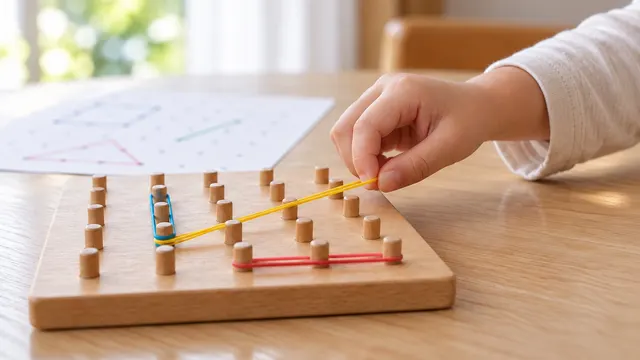
Dot Grid Copying: What It Builds, and What Mistakes Can Tell You
Copying lines from an example onto a matching dot grid. A physical therapist explains which skills dot grid copying uses, what different kinds of mistakes can tell you, why diagonal lines are hard, and how to choose a level, drawing on ideas used in pediatric therapy.
Read › -

Why Does My Child Trip and Fall So Often? Looking Beyond the Feet, at Vision and Attention
Tripping over nothing, or pitching forward when running. Frequent falls are not only about leg strength. A physical therapist explains what different kinds of falls can tell you, and ideas to try from the angles of vision, attention, balance, and the soles of the feet.
Read › -

Smooth Pursuit and Saccades: Two Eye Movements, Home Activities, and Choosing Worksheets
Smooth pursuit lets the eyes follow a moving object; saccades let them jump quickly to a new spot. A physical therapist explains the difference between these two eye movements, how they show up in daily life, simple activities to try at home, and how to choose worksheets for each.
Read › -

Visual Perception Shows Up in Unexpected Places
Emotional control, tiring easily, keeping things organized, finding the way, moving and balancing. Visual perception can play a part in many situations beyond schoolwork. A physical therapist explains, with simple ideas the adults around a child can try.
Read › -

Every Day? How Much? The Basics of Using Visual Perception Worksheets
Should children do visual perception worksheets every day, and how many? Drawing on how studies have structured practice, a physical therapist explains a simple, realistic way to use the worksheets.
Read › -

What Is Visual Perception? More Than Good Eyesight
Visual perception is not the same as eyesight. It is the set of skills we use to make sense of what we see and to act on it. A physical therapist explains what it includes and how it connects to everyday life and learning.
Read ›